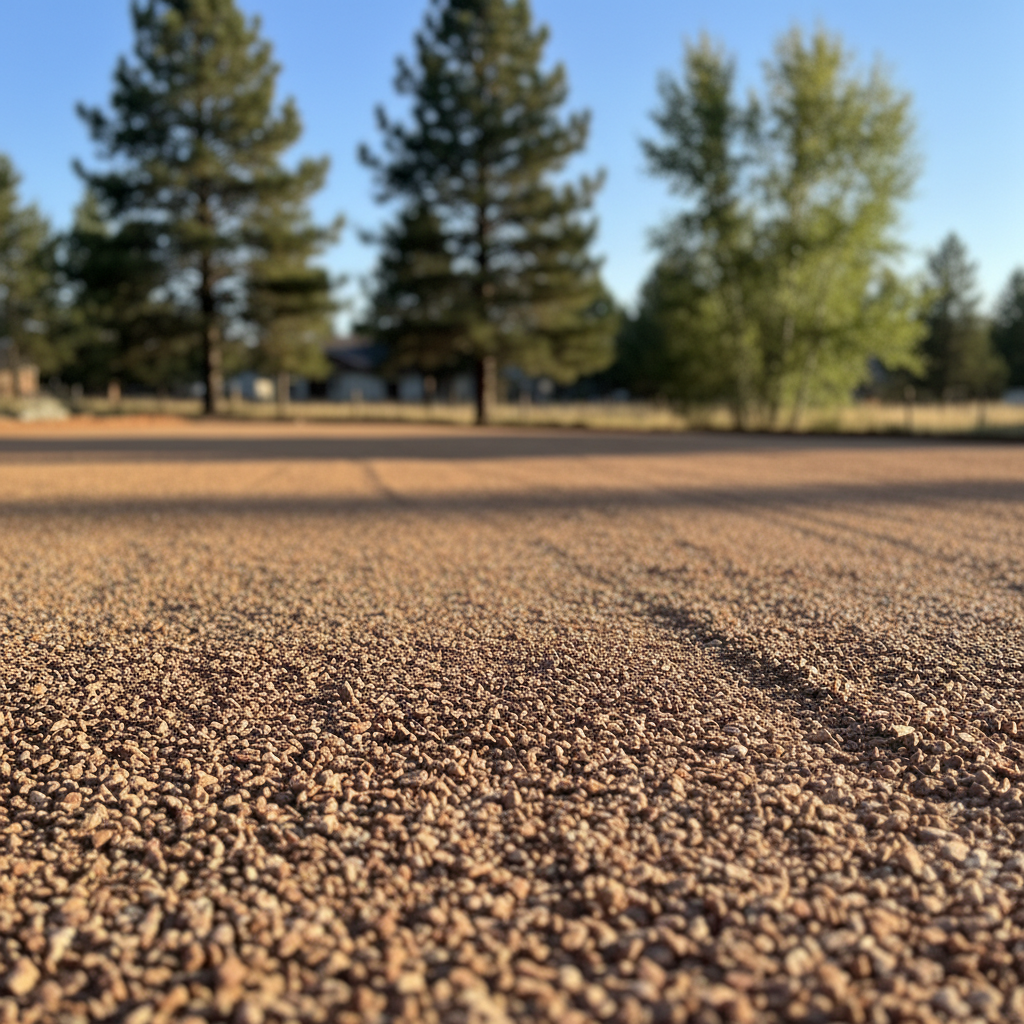
Water has a way of finding every single weakness in your foundation, especially when the spring snowmelt starts rushing down from the Ponderosa pines. If you have noticed puddles pooling right against your exterior walls or water seeping into your crawl space after a heavy summer monsoon, your property grade is likely working against you. Getting the slope right around your house is about keeping your home safe from expensive structural damage.
Before You Pick Up a Shovel
You cannot just start moving dirt around because your yard looks uneven. Take a close look at how water moves across your property during a heavy storm or when the snow thaws off your roof. You want the ground to slope away from your foundation dropping at least six inches over the first ten feet. But here in the high country, our volcanic cinder soils and rocky terrain can make simple measurements tricky. Before doing any digging deeper than a few inches, call 811 to get your utility lines marked. Hitting a buried gas or electric line will cause major problems.
What You Can Do Yourself
If you are dealing with minor puddles in the yard or a small low spot a safe distance from the house, you can handle this with a wheelbarrow, a shovel, and some good topsoil. Grab a long straight board and a level to check your slopes. For minor leveling in non-structural garden areas, manual labor goes a long way. You can easily fix localized depressions, patch up minor erosion ruts from heavy rainstorms, or grade a small patch for a new shed pad using hand tools and a plate compactor rental.
When to Call Mighty Excavating Inc
Hand tools will not cut it when you are facing massive boulder outcroppings, severe drainage issues threatening your foundation, or a steep slope that requires major cut-and-fill work. Mighty Excavating Inc sees plenty of properties across local neighborhoods like Continental Country Club or up on the Kachina Village hills where DIY grading actually makes drainage worse. If you need to reshape a large area, move tons of rocky earth, or install heavy-duty swales and retaining structures, you need specialized machinery like a skid steer or a mini excavator. Trying to move thousands of pounds of Flagstaff rock by hand is very difficult and can cause injury.
After the Project Is Finished
Once the heavy grading is done and the water is finally flowing where it is supposed to go, you have to lock that soil down. Bare dirt on a freshly graded Flagstaff slope will wash away during the next monsoon downpour before you even know what hit you. Get native grass seed down quickly, lay down erosion control blankets on steeper sections, and make sure your downspouts are extended well past that ten-foot zone. Keep an eye on your new grade after the first few hard rains to catch any settling before it causes problems.